
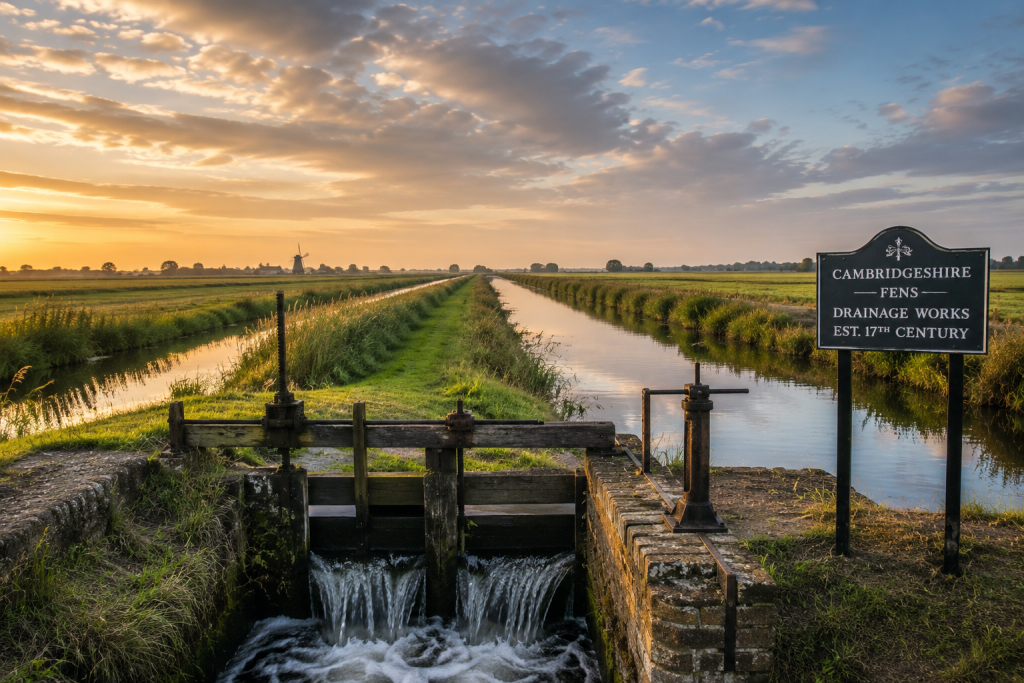
The Cambridgeshire Fens are among the most distinctive landscapes in England, known for their vast skies, flat horizons, fertile farmland, and intricate waterways. Yet centuries ago, this region looked dramatically different from the landscape seen today.
Before large-scale drainage transformed the area, much of the Fens consisted of marshland, reed beds, shallow lakes, and seasonal floodwater. Travel was difficult, settlements were isolated, and large areas of land remained unsuitable for farming.
The development of the fenland drainage system changed all of that forever.
Today, villages such as Lode with Longmeadow still reflect the lasting influence of these historic engineering projects, with waterways and drainage channels continuing to shape everyday life across the region.
Taking out a loan in the UK while receiving benefits can be a practical way to manage unexpected expenses or improve financial stability when used responsibly. Many lenders understand that benefits provide a regular source of income and may consider applications from people receiving Universal Credit, PIP, ESA, or other support payments. A suitable loan can help cover essential costs such as home repairs, transport, or consolidating debts into more manageable repayments. It is important to compare lenders carefully, check affordability, and choose regulated providers authorised by the Financial Conduct Authority. Borrowing within your means and making repayments on time can also help strengthen your credit profile over time.
The Original Fenland Landscape
For thousands of years, the Fens formed a vast wetland environment stretching across eastern England. Water levels regularly changed with the seasons, creating a shifting landscape of marshes, rivers, and floodplains.
Although challenging to navigate, the wetlands also supported wildlife, fishing, and early settlement.
Early fenland communities relied on:
- Fishing and eel trapping
- Reed cutting and wildfowling
- Seasonal grazing land
- Small-scale farming on higher ground
Villages often developed on slightly raised areas above the floodwaters, while waterways became essential transport routes between settlements.
Roman Engineering and Early Drainage
The Romans were among the first to attempt large-scale control of the fenland waters. Recognising the agricultural potential of the area, they introduced drainage channels, embankments, and transport routes designed to improve movement and land use.
Although many Roman drainage systems disappeared over time, their influence helped shape later engineering efforts across the region.
Roman contributions included:
- Early drainage channels
- Raised roads and causeways
- Water management systems
- Expansion of agricultural land
Some historians believe parts of the waterways surrounding Lode with Longmeadow may have origins linked to these early engineering projects.
The Great Drainage Projects
The most dramatic transformation of the Fens began during the seventeenth century, when large-scale drainage schemes were introduced to reclaim farmland and reduce flooding.
Dutch engineers, already experienced in water management, were brought to England to help redesign the landscape through canals, embankments, and controlled waterways.
These ambitious projects permanently altered the appearance of Cambridgeshire and neighbouring counties.
Major drainage works included:
- Straightening rivers and waterways
- Constructing embankments and channels
- Diverting floodwater
- Creating controlled drainage systems
- Reclaiming marshland for agriculture
The result was the gradual conversion of wetlands into some of the most productive farmland in Britain.
The Importance of the Lodes
Within villages such as Lode with Longmeadow, smaller waterways known as lodes played a particularly important role.
These man-made channels served both practical and economic purposes for generations.
The lodes were used for:
- Transporting crops and livestock
- Moving timber and supplies
- Managing local water levels
- Connecting villages to wider waterways
Long before modern roads connected rural communities effectively, these waterways formed part of the region’s essential infrastructure.
Agriculture and Economic Change
The drainage of the Fens transformed Cambridgeshire into one of England’s most productive agricultural regions.
Once-drained land became ideal for growing crops and supporting livestock, allowing villages and rural communities to expand economically.
The drainage system helped support:
- Large-scale farming
- Grain and vegetable production
- Improved rural trade
- Population growth in fenland villages
- Expansion of local economies
Agriculture continues to dominate much of the fenland landscape today, reflecting the long-term success of these engineering projects.
Environmental Consequences
Although the drainage system brought enormous economic benefits, it also dramatically changed the natural environment of the Fens.
Large wetland habitats disappeared, along with many species that once thrived within the marshland landscape.
Environmental changes included:
- Loss of natural wetlands
- Reduction in biodiversity
- Changes to river systems
- Soil shrinkage and land subsidence
- Increased reliance on active water management
Modern conservation efforts now attempt to balance agriculture with habitat protection and environmental restoration.
Water Management Today
Despite centuries of engineering, the Fens still depend heavily on careful water management. Pumps, drainage boards, channels, and embankments continue to regulate water levels across the region.
Without constant maintenance, large parts of the fenland landscape would once again become vulnerable to flooding.
Modern systems now include:
- Mechanical pumping stations
- Managed drainage networks
- Flood defence infrastructure
- Environmental conservation projects
- Ongoing maintenance of waterways and embankments
The relationship between land and water remains central to life across the Fens.
A Landscape Permanently Changed
The fenland drainage system reshaped Cambridgeshire more completely than almost any other engineering project in English history.
What was once a landscape of marshes and seasonal water became a carefully managed environment supporting villages, farming, transport, and rural communities across generations.
In places such as Lode with Longmeadow, the evidence of this transformation still surrounds the village today — in the waterways, embankments, drainage channels, and open farmland that continue to define the fenland landscape.
The story of the Fens is ultimately a story of adaptation: a centuries-long effort to control water, shape the land, and build communities within one of England’s most unusual environments.